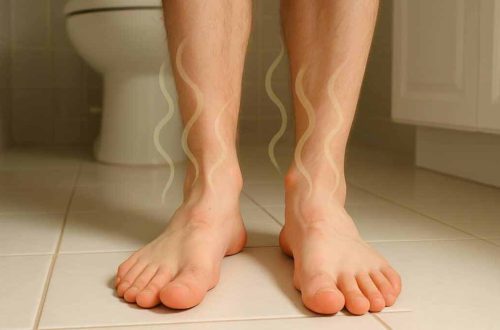
There’s nothing quite like a foot spa after a long day. Your feet carry you everywhere—through morning commutes, long work hours, and everything in between. Giving them dedicated time to soak, soften, and recover isn’t just relaxing. It’s essential maintenance.
The best part? You don’t need a salon appointment or expensive equipment. A proper foot spa at home takes less than an hour and leaves your feet feeling renewed.
Here’s exactly how to do it, step by step.
What You’ll Need
Before you begin, gather these supplies:
- Foot basin or large tub (big enough for both feet)
- Warm water (comfortable to the touch, not hot)
- Epsom salts or bath salts
- Pedicure kit
- Nail clippers (straight-edge for toenails)
- Rich foot cream
- Cuticle oil
- Two towels (one for the floor, one for drying)
Step 1: Set Up Your Space
Find a comfortable chair where you can sit with your feet elevated. Place a towel on the floor to catch drips. Fill your basin with comfortably warm water—test it with your elbow, not your foot. Water that’s too hot dries out skin; water that’s too cold won’t soften effectively.
Add a generous handful of Epsom salts. If you’re using essential oils, add a few drops now. Swish the water to dissolve.
Pro tip: Keep a kettle of warm water nearby to refresh the basin if it cools during your soak.

Step 2: Soak Your Feet
Place both feet in the water and relax.
Soak for 10 to 15 minutes. This is the sweet spot—long enough to soften skin and relax muscles, but not so long that your feet become waterlogged and pruney (which makes exfoliation less effective).
During this time, breathe. Read. Listen to music. This isn’t a chore—it’s self-care.
Step 3: Exfoliate
Remove one foot from the water. Pat it dry with a towel—don’t rub.
Using your pumice stone or foot file, gently work on rough areas:
- The heels
- The outer ball of the foot
- Sides of the big toe
- Any callused spots
Light pressure only. Let the tool do the work. The goal is to remove dead skin, not to file down to living tissue. If you see pink or feel pain, stop—you’ve gone too far.
Rinse the foot, pat dry, and repeat on the other foot.
If you have a foot scrub, this is the time to use it. Apply in circular motions, paying attention to the same rough areas, then rinse.
Step 4: Tend to Toenails and Cuticles
Now that your feet are clean and softened, it’s time for precision work.
Trim your nails straight across. Curving the corners invites ingrown toenails. Leave a tiny bit of white; cutting too short can cause pain and infection.
File edges smooth. Use your nail file to soften any sharp corners. File in one direction only to prevent splitting.

Push back cuticles. Use your cuticle pusher at a 45-degree angle, gently pushing back the softened skin. The tool should glide—if it’s forcing, soak longer.
Trim only what’s truly dead. If you see loose, detached skin flaps, you can snip them with clean nippers. Never cut living cuticle. If it’s attached, leave it.
Clean under nails. Use the pointed end of your pusher or an orangewood stick to gently remove debris from under the free edge.
Step 5: Moisturize Generously
This step is non-negotiable. Exfoliation removes dead skin; moisturizer keeps new skin soft and flexible.
Apply a thick layer of rich foot cream to both feet. Massage it in thoroughly, spending extra time on heels and the balls of your feet. Work the cream into every crack and crevice—but don’t over-apply between toes, as trapped moisture can encourage fungal issues.
Apply cuticle oil to each toenail. Massage into the cuticle area.
Pro tip: For intensive hydration, apply an extra-thick layer of cream, pull on cotton socks, and leave them on overnight. Your feet will feel transformed by morning.
Step 6: Relax and Enjoy
Your foot spa is complete. Sit for a few minutes, let the cream absorb, and enjoy the feeling of soft, cared-for feet.
If you have a massage roller or simply want to stretch your feet, now is the time. Gentle circling of the ankles, flexing and pointing the toes, and rolling a tennis ball underfoot all feel wonderful after a soak.

How Often Should You Do a Foot Spa?
For maintenance, once a week is ideal. This keeps calluses from building up, nails in good shape, and skin soft year-round.
If your feet are particularly dry or you’re preparing for sandal season, you can do it twice a week—but don’t over-exfoliate. Gentle, consistent care beats aggressive sessions.
Professional Tips for Better Results
Use warm, not hot, water. Hot water strips natural oils and leaves feet drier than before.
Don’t soak longer than 15 minutes. Over-softened skin tears instead of filing cleanly.
Replace your pumice stone regularly. They harbor bacteria and lose effectiveness over time. Every 3-4 months is a good rule.
Keep tools clean. Wash metal tools with soap and water after each use. Wipe with rubbing alcohol to sanitize.
Moisturize daily between spas. Foot cream after every shower keeps winter dryness at bay.
When to Skip the Home Spa
Home foot spas are wonderful for maintenance, but some situations require a podiatrist:
- Ingrown toenails that are painful or infected
- Thick, discolored, or crumbling nails (possible fungus)
- Open sores or wounds on feet
- Severe cracked heels that bleed
- Diabetes or circulation issues (consult your doctor first)
The Bottom Line
A foot spa at home takes less than an hour but pays dividends in comfort and health. Soak, exfoliate, trim, moisturize—four simple steps that transform tired, neglected feet into something soft, smooth, and ready for whatever your day brings.
Your feet carry you everywhere. Giving them this small ritual once a week isn’t pampering. It’s respect.
Read also: The Ultimate Guide to a Perfect At-Home Feet Spa: Relax, Revive, and Rejuvenate